

When “Something Feels Off” | “뭔가 달라진 것 같은 느낌”
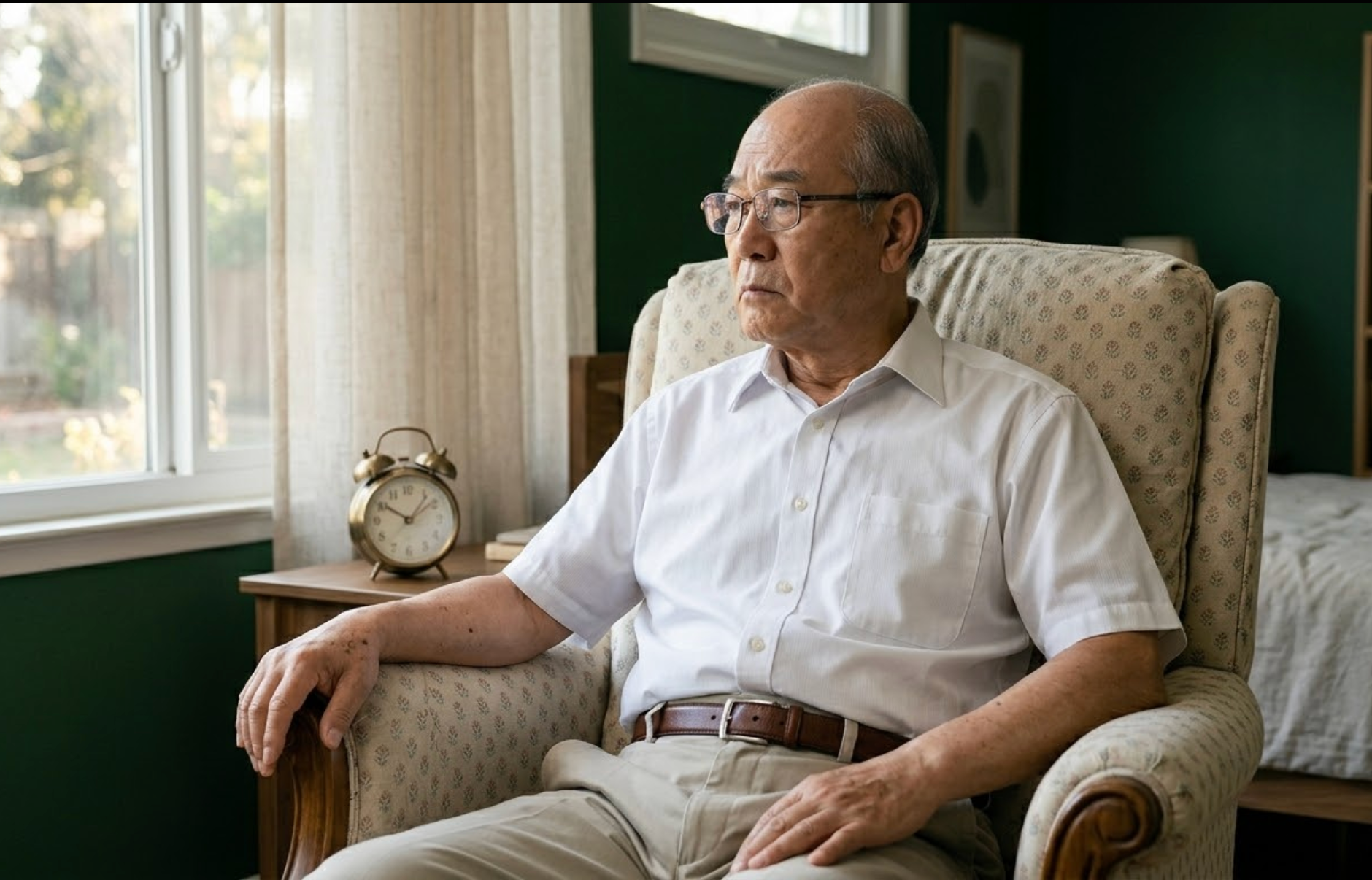
Understanding Depression in Korean American Seniors
For many Korean American seniors, life has been defined by responsibility—caring for family, working hard, and adapting to life in a new country. Strength, endurance, and quiet perseverance have often been necessary.
But sometimes, even after everything has been accomplished, there can be a quiet shift.
You may notice that your energy is lower than before.
Daily routines feel heavier.
Things that once brought satisfaction no longer feel the same.
Nothing dramatic may have happened. And yet, something feels different.
These changes are often easy to dismiss. Many people assume, “This is just part of getting older.”
But in some cases, it may be something more—depression.
It Doesn’t Always Look Like Depression
Depression in older adults does not always appear as sadness.
Instead, it often shows up in ways that feel physical or subtle:
- A body that feels constantly tired
- Sleep that becomes irregular or restless
- Appetite changes without a clear reason
- A general sense of low energy that doesn’t improve with rest
Medical tests may come back normal. Still, the feeling remains.
This can be confusing—and frustrating.
The Changes That Are Harder to Name
Alongside physical symptoms, there may be quieter internal changes:
- Less interest in socializing or leaving the house
- Irritation over small things that didn’t used to matter
- A sense of disconnection from others
- Thoughts like, “I don’t want to be a burden,” or “I don’t feel useful anymore”
These experiences are more common than many realize, but they are rarely talked about openly.
Why It Often Goes Unnoticed
Many Korean American seniors were raised in environments where emotional struggles were managed privately. There is often a strong belief in enduring hardship without complaint.
Because of this, emotional changes may be:
- Minimized
- Reframed as physical problems
- Or simply carried alone
This ability to endure has been a strength. But it can also make it harder to recognize when support could help.
Life Changes That Add Up
At this stage of life, multiple transitions can happen at once:
- Retirement and changes in daily structure
- Shifts in family roles
- Language or cultural barriers
- Less frequent social interaction
- Experiences of loss
Individually, each may seem manageable. Together, they can quietly affect emotional well-being.
So What Helps?
There is no single solution—but there are starting points.
Sometimes, it begins with something simple:
- Talking with someone you trust
- Spending a little more time outside or in routine activities
- Reconnecting, even in small ways, with others
For some, it may also include speaking with a professional who can help make sense of these changes and offer practical ways to manage them.
Support does not have to be immediate or overwhelming. It can begin gradually.
A Different Way to Think About It
If your energy, mood, or daily life has changed, it may be worth paying attention—not with alarm, but with curiosity.
What you are feeling is not uncommon.
And it is not something you have to ignore.
A Quiet First Step
If any part of this feels familiar, consider taking one small step.
That might mean having a conversation—with a family member, a friend, or a professional.
It might simply mean acknowledging to yourself that something has changed.
There is no pressure to act quickly. But there is value in not overlooking what you are experiencing.
한인 시니어의 우울증 이해하기
많은 한인 시니어분들의 삶은 책임과 헌신으로 이루어져 왔습니다.
가족을 돌보고, 열심히 일하며, 새로운 나라에서의 삶에 적응해 오셨습니다.
강인함과 인내는 삶을 지탱해 온 중요한 힘이었을 것입니다.
하지만 어느 순간,
조용한 변화가 느껴질 수 있습니다.
예전보다 기운이 없고,
하루 일과가 더 버겁게 느껴지고,
한때 의미 있었던 일들이 예전 같지 않게 느껴질 수 있습니다.
특별한 일이 있었던 것은 아닐 수도 있습니다.
그런데도, 어딘가 달라진 느낌이 듭니다.
이러한 변화는 쉽게 지나치기 쉽습니다.
많은 분들이 “나이가 들어서 그런가 보다”라고 생각합니다.
하지만 경우에 따라, 이것은 단순한 변화가 아니라
우울증의 신호일 수 있습니다.
우울증은 항상 ‘우울한 감정’으로만 나타나지 않습니다
시니어에게 나타나는 우울증은
우리가 흔히 생각하는 모습과 다를 수 있습니다.
오히려 다음과 같은 신체적인 변화로 나타나는 경우가 많습니다:
- 이유 없이 계속되는 피로감
- 불규칙해진 수면 또는 깊이 잠들기 어려움
- 특별한 이유 없는 식욕 변화
- 쉬어도 회복되지 않는 무기력감
검사 결과에는 이상이 없다고 나와도
몸과 마음의 불편함은 계속될 수 있습니다.
이러한 상황은 혼란스럽고 답답하게 느껴질 수 있습니다.
말로 표현하기 어려운 변화들
신체적인 변화와 함께,
다음과 같은 마음의 변화가 나타날 수 있습니다:
- 사람들을 만나는 것이 점점 부담스러워짐
- 사소한 일에도 쉽게 짜증이 남
- 주변과의 거리감이 느껴짐
- “내가 짐이 되는 건 아닐까”
- “이제 나는 예전 같지 않다”는 생각
이러한 경험은 생각보다 흔하지만,
자주 이야기되지는 않습니다.
왜 알아차리기 어려울까요?
많은 한인 시니어분들은
감정적인 어려움을 드러내기보다
스스로 감당하는 데 익숙하십니다.
그래서 이러한 변화는 종종:
- 대수롭지 않게 넘기거나
- 단순한 신체 문제로 생각되거나
- 혼자 감당해야 할 일로 여겨지기도 합니다
이러한 인내는 큰 강점이지만,
때로는 도움의 필요성을 늦게 알아차리게 만들기도 합니다.
삶의 변화들이 쌓일 때
이 시기에는 여러 변화가 동시에 일어날 수 있습니다:
- 은퇴로 인한 일상의 변화
- 가족 내 역할의 변화
- 언어와 문화 차이
- 줄어드는 사회적 교류
- 소중한 사람과의 이별
각각은 감당할 수 있는 변화처럼 보이지만,
이들이 함께 쌓이면서 마음에 영향을 줄 수 있습니다.
그렇다면, 무엇이 도움이 될까요?
정답은 하나가 아니지만,
작은 시작은 가능합니다.
예를 들어:
- 믿을 수 있는 사람과 이야기를 나누는 것
- 짧은 산책이나 규칙적인 일상 유지
- 다시 사람들과 조금씩 연결되는 시도
그리고 경우에 따라,
전문가와의 대화를 통해 현재의 상태를 이해하고
도움을 받는 것도 한 가지 방법이 될 수 있습니다.
도움은 반드시 크거나 부담스러울 필요는 없습니다.
작은 단계로 시작할 수 있습니다.
이렇게 생각해 볼 수도 있습니다
최근의 변화가 느껴진다면,
그것을 단순히 지나치기보다
조금 더 관심을 가져보는 것도 의미가 있습니다.
지금의 경험은 드문 일이 아니며,
그대로 두어야 하는 것도 아닙니다.
조용한 첫걸음
이 글의 내용 중 일부가 공감된다면,
아주 작은 한 걸음부터 시작해 보셔도 좋습니다.
가족이나 친구와의 대화일 수도 있고,
전문가와의 상담일 수도 있습니다.
또는 단순히 스스로의 변화를 인정하는 것일 수도 있습니다.
서두를 필요는 없습니다.
하지만 자신의 상태를 지나치지 않는 것에는 충분한 가치가 있습니다.
