

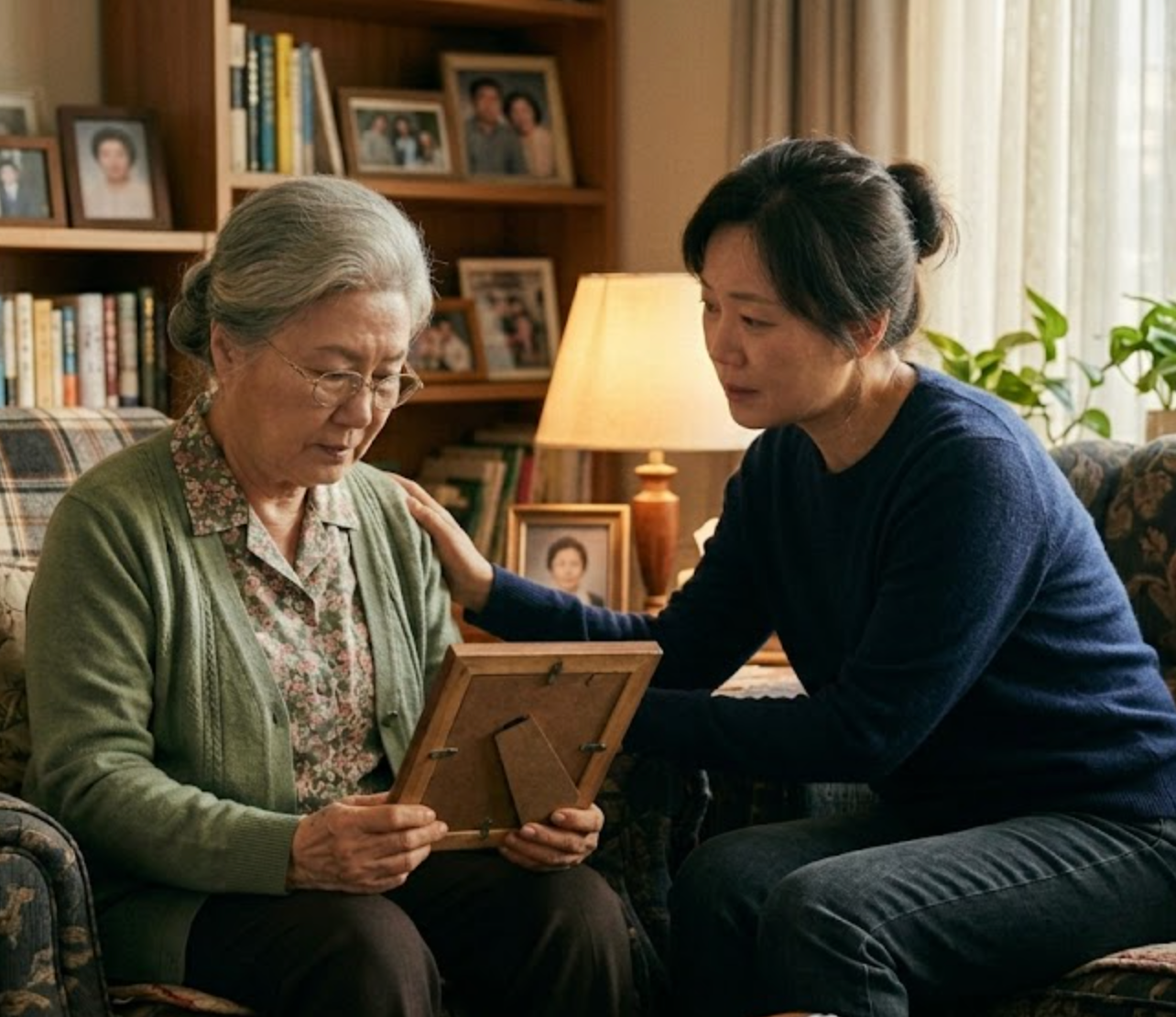
A Process of Finding Meaning in What Remains Loss does not stop life, but it changes the way life is experienced. Time continues to move forward, days repeat themselves, and on the surface, daily life may appear largely unchanged. Yet within that continuity, what is felt internally can be different. Life after loss is less about something that has “ended,” and more about learning how it continues in a new way. Grief Is Not a Stage, but an Ongoing Process Grief is often understood as a series of stages that must be completed. However, contemporary research and clinical perspectives approach grief in a more flexible and individualized way. In his book Finding Meaning, grief expert David Kessler describes grief not as something to resolve and move past, but as a process of learning to live alongside loss while gradually discovering meaning within it . This perspective does not attempt to justify or explain the loss. The loss remains real, and the pain remains valid. Instead, it acknowledges that life continues, and that something within that continuation gradually begins to shift. Relationships Do Not End — They Change Form After losing someone important, the relationship does not simply disappear. Rather, it continues in a different form. You may find yourself thinking about how that person would respond in certain situations, or recalling their voice, habits, or perspectives in everyday moments. These experiences are often described as a continuing bond , which reflects how relationships can persist through memory, identity, and internal experience. This is not about remaining in the past. It is about how the relationship continues to exist within your life in a different way. Meaning Emerges Rather Than Being Forced The idea of “finding meaning” can sometimes feel uncomfortable, as if one must actively assign purpose to something painful. For many individuals, especially in the early stages of grief, this can feel overwhelming or out of reach. Meaning is not something that can be forced or manufactured. Instead, it tends to emerge gradually through lived experience. For example: Shifts in what feels important in life Changes in how relationships are perceived Moments when small aspects of daily life take on new significance These changes do not replace the loss, but they reflect how life begins to reorganize around it. Meaning, in this sense, is not something added on top of loss, but something that develops within and around it over time. Grief Does Not Follow a Linear Path Grief does not unfold in a straight or predictable way. Some days may feel relatively stable, while on other days, emotions may feel more intense or present again. Feelings such as sadness, longing, gratitude, and confusion can coexist within the same moment. This variability is not a sign of something going wrong. Rather, it reflects that grief is a dynamic and living process. While the intensity and form of grief may change over time, its progression is unique to each individual. Times When Meaning Is Not Yet Clear There are periods when meaning does not feel accessible at all. When the loss feels especially heavy, or when emotional capacity is limited, it may be difficult to reflect on meaning or significance. These moments are also part of the grieving process. Meaning is not always immediately recognizable. It may become clearer only when there is enough emotional space to perceive it. The absence of meaning in a given moment does not indicate that the process is incomplete. It simply reflects where one is within that process. Grief Does Not Have to Be Experienced Alone Although grief is deeply personal, it does not need to be carried in isolation. Sharing memories, expressing emotions, or speaking with someone who can listen may help organize and process the experience. Support does not eliminate grief. Rather, it can provide a space where grief can be held more safely and steadily. Living After Loss The goal of grief is not to return to life as it was before the loss. Instead, it involves learning how to continue living while integrating the reality of that loss. This does not mean forgetting or suppressing the past. Nor does it mean removing emotional connection. Rather, it is about carrying both: What has been lost And what continues in the present Relationships persist through memory and meaning, and life continues within that ongoing connection. A Quiet Question If you take a moment to reflect, you might consider: In what ways does this relationship continue to exist within your life today? There is no single correct answer to this question. It is simply an opportunity to observe your experience with greater awareness and gentleness. Closing Reflection Loss does not stop life, but it does change its texture and direction. Within that change, individuals learn to remember differently, to relate differently, and to live differently. Meaning is not a replacement for loss, but something that may gradually emerge as part of life after loss. This process unfolds differently for each person, at their own pace, and in their own way. A Note on Support If grief feels overwhelming or difficult to process alone, seeking support from a professional can be a helpful step. JONA Social Services provides a space where individuals can approach grief with understanding, care, and respect for their unique experience. Reaching out for support is not a sign of weakness, but a meaningful way of caring for oneself during a challenging time. 의미를 찾아가는 과정 속에서 상실은 삶의 흐름을 멈추게 하지는 않지만, 그 흐름의 감각을 바꾸어 놓습니다. 시간은 여전히 흘러가고, 하루는 반복되며, 겉으로 보이는 일상은 크게 달라지지 않은 것처럼 느껴질 수 있습니다. 하지만 그 안에서 경험되는 감정과 의미는 이전과 같지 않을 수 있습니다. 상실 이후의 삶은 “끝났다”기보다 어떤 방식으로 이어지고 있는지에 대해 다시 이해해 가는 과정에 가깝습니다. 애도는 단계가 아니라, 이어지는 과정입니다 애도는 특정한 단계들을 거쳐 반드시 끝나는 과정으로 이해되기도 합니다. 하지만 최근의 연구와 임상적 관점에서는 애도를 보다 유연하고 개인적인 경험으로 바라봅니다. David Kessler는 그의 저서 Finding Meaning에서 애도를 단순히 감정을 정리하고 지나가는 과정이 아니라, 상실과 함께 살아가며 그 안에서 의미를 발견해 가는 과정 으로 설명합니다. 이 관점은 상실을 긍정하거나 이유를 부여하려는 것이 아니라, 상실 이후에도 삶이 계속 이어지는 방식에 주목합니다. 관계는 사라지지 않고, 다른 형태로 이어집니다 누군가를 떠나보낸 이후에도 그 관계가 완전히 끊어지는 것은 아닙니다. 다만 그 관계는 형태를 바꾸어 지속됩니다. 어떤 선택을 할 때 그 사람이 떠오르기도 하고, 익숙한 상황에서 그 사람의 말이나 태도를 기억하게 되기도 합니다. 이러한 경험은 흔히 “지속되는 유대(continuing bond)”로 설명되며, 상실 이후에도 관계가 기억과 내면의 경험을 통해 이어질 수 있음을 보여줍니다. 이것은 과거에 머무는 것이 아니라, 관계가 삶 안에서 다른 방식으로 존재하는 모습이라고 볼 수 있습니다. 의미는 만들어내는 것이 아니라, 변화 속에서 드러납니다 상실 이후 “의미를 찾는다”는 말은 때로는 부담스럽게 느껴질 수 있습니다. 특히 상실이 아직 깊게 남아 있는 시기에는 의미를 생각하는 것 자체가 어려울 수 있습니다. 의미는 의도적으로 만들어내야 하는 목표라기보다, 시간이 흐르면서 경험 속에서 서서히 드러나는 요소에 가깝습니다. 예를 들어, 어떤 가치가 이전보다 더 중요하게 느껴지는 변화 관계를 바라보는 시선이 조금씩 달라지는 경험 일상 속에서 작지만 새로운 의미를 발견하는 순간 이러한 변화들은 상실을 설명하지는 않지만, 그 이후의 삶이 어떻게 이어지는지를 보여줍니다. 의미는 상실을 대체하는 것이 아니라, 그 주변에서 형성되는 경험이라고 볼 수 있습니다. 애도는 일정한 방향을 따르지 않습니다 애도 과정은 직선적으로 진행되지 않습니다. 어떤 날은 비교적 안정적으로 느껴질 수 있고, 또 어떤 날은 감정이 다시 선명하게 떠오를 수 있습니다. 슬픔, 그리움, 감사, 혼란과 같은 감정들이 한 시점 안에서 함께 존재하기도 합니다. 이러한 변화는 비정상적인 것이 아니라, 애도가 고정된 상태가 아니라 살아 있는 과정임을 보여줍니다. 시간이 지나면서 감정의 강도나 형태는 변할 수 있지만, 그 과정은 개인마다 다르게 나타납니다. 의미가 분명하지 않은 시기도 자연스러운 과정입니다 모든 시기에 의미가 분명하게 느껴지는 것은 아닙니다. 상실이 크게 느껴지거나 감정적으로 여유가 부족한 시기에는 의미를 돌아보는 것이 어렵게 느껴질 수 있습니다. 이러한 시기 또한 애도의 과정 안에 포함됩니다. 의미는 항상 즉각적으로 인식되는 것이 아니라, 마음이 준비되는 흐름 속에서 서서히 이해되기도 합니다. 따라서 의미가 보이지 않는 시기가 있다고 해서 과정이 멈추었거나 잘 이루어지지 않는 것은 아닙니다. 애도는 혼자만의 여정일 필요는 없습니다 상실은 개인적인 경험이지만, 그 과정을 반드시 혼자 감당해야 하는 것은 아닙니다. 감정을 표현하거나, 기억을 나누거나, 누군가와 대화를 나누는 경험은 마음을 정리하는 데 도움이 될 수 있습니다. 이러한 지지는 애도를 없애는 것이 아니라, 그 감정을 다루는 과정이 보다 안정적으로 이루어질 수 있도록 돕는 역할을 합니다. 상실 이후의 삶을 살아간다는 것 상실 이전의 상태로 돌아가는 것이 애도의 목표는 아닙니다. 대신, 상실과 함께 살아가면서 삶을 이어가는 새로운 방식을 형성해 가는 과정에 가깝습니다. 과거를 지우는 것이 아니라, 기억과 경험을 포함한 상태로 현재를 살아가는 것. 그 과정에서 관계는 기억과 의미의 형태로 이어지고, 삶은 그 안에서 계속 확장되어 갑니다. 조용한 질문 하나 잠시 시간을 내어 다음과 같은 질문을 떠올려 볼 수 있습니다. 그 관계는 지금의 삶 속에서 어떤 형태로 남아 있을까? 이 질문에는 정해진 답이 없습니다. 다만, 그 질문을 통해 자신의 경험을 천천히 바라보는 시간이 될 수 있습니다. 마무리하며 상실은 삶을 멈추게 하지 않지만, 삶의 감각과 방향을 변화시킵니다. 그 변화 속에서 우리는 다른 방식으로 기억하고, 다른 방식으로 관계를 이어가며, 다른 방식으로 살아가게 됩니다. 의미는 상실을 대신하는 것이 아니라, 상실 이후의 삶 속에서 자연스럽게 드러날 수 있는 하나의 과정입니다. 그리고 그 과정은 각자의 속도와 방식에 따라 다르게 이어집니다. 마무리 안내 상실로 인해 감정이 어렵게 느껴지거나, 그 과정을 혼자 정리하기 힘들다고 느껴질 때는 전문가의 도움을 통해 이야기를 나누는 것도 하나의 방법이 될 수 있습니다. JONA Social Services/ 정신건강 서비스는 각 개인의 경험과 속도를 존중하며, 상실과 애도의 과정을 이해하고 함께 다루어갈 수 있도록 지원하는 공간입니다. 도움을 요청하는 것은 약함이 아니라, 자신의 삶을 돌보는 한 가지 선택입니다.

What Therapy Is Really Like (Especially If You’ve Never Tried It) For many people, the idea of therapy can feel unfamiliar. You may have heard about it from others. You may have seen it mentioned online. But you might still wonder: “What actually happens there?” “Do I really need it?” “Is it for someone like me?” These questions are very common—especially for those who did not grow up in a culture where talking about emotions was encouraged. Why Therapy Can Feel Unfamiliar Many Korean American seniors were raised with values like: Enduring hardship quietly Not burdening others Solving problems within the family Because of this, seeking outside support—especially for emotional concerns—may feel unnecessary or even uncomfortable. But therapy today is not about exposing weakness. It is about understanding your experience in a structured, supportive way . So… What Actually Happens in Therapy? One of the biggest misconceptions is that therapy is something complicated or intimidating. In reality, it often begins very simply. A typical session may look like: Sitting in a quiet, private space Talking about what has been on your mind Being asked thoughtful, gentle questions Moving at a pace that feels comfortable to you There is no pressure to share everything at once. You are not expected to have the “right” words. Sometimes, just starting with “I’m not sure how to explain this” is enough. You Don’t Have to Be in Crisis Another common misunderstanding is that therapy is only for serious problems. In reality, many people seek therapy for reasons like: Feeling more anxious than before Noticing changes in mood or motivation Adjusting to life transitions (retirement, loss, health changes) Feeling lonely or disconnected These are not signs of failure. They are part of being human—and they are valid reasons to seek support. What Makes Therapy Helpful? Therapy is not about giving quick advice or telling you what to do. Instead, it provides: A space where you can speak freely without judgment Help understanding patterns in thoughts and emotions Guidance in adjusting to life changes Support in finding ways to cope that fit your life For many people, the most meaningful part is simply being heard and understood —sometimes for the first time in a long while. “What If I Don’t Know What to Say?” This is one of the most common concerns. You don’t need to prepare anything. You might start with: “I’ve been feeling different lately.” “Things feel harder than before.” “I’m not sure why, but something feels off.” That is enough. A trained therapist will help guide the conversation from there. Cultural Understanding Matters For Korean American seniors, it can feel especially important to speak with someone who understands: Cultural values around family and responsibility The experience of immigration and adjustment The hesitation around discussing emotions Therapy can feel very different when you don’t have to explain these parts of your life from the beginning. What Therapy Is Not Sometimes it helps to clarify what therapy is not: It is not being judged It is not being told what to do It is not only for “serious” problems It is not something you have to commit to forever You are allowed to try it, ask questions, and decide what feels right for you. Taking the First Step Starting therapy does not require a big decision. It can begin with: Asking a simple question Scheduling an initial conversation Learning more about what support might look like You do not need to be certain. You only need to be a little curious. Closing Thought For many people, therapy feels unfamiliar—until they experience it. And often, what they find is not something intimidating, but something unexpectedly simple: A space to talk. A space to be understood. A space to not carry everything alone. A Gentle Invitation If you’ve been wondering whether therapy might be helpful, it may be worth exploring—at your own pace. Even a single conversation can provide clarity and a sense of direction. Support does not have to begin with certainty. It can begin with a question. 상담은 실제로 어떤 것일까요? (한 번도 받아보지 않으셨다면) 많은 분들에게 “상담”이라는 단어는 아직도 낯설게 느껴질 수 있습니다. 주변에서 들어보셨을 수도 있고, 인터넷에서 보신 적도 있을 것입니다. 하지만 여전히 이런 생각이 들 수 있습니다. “도대체 거기서 뭘 하는 걸까?” “내가 정말 필요한 걸까?” “나 같은 사람에게도 맞는 걸까?” 이런 질문들은 아주 자연스러운 것입니다. 특히 감정에 대해 이야기하는 것이 익숙하지 않은 환경에서 살아오셨다면 더욱 그렇습니다. 왜 상담이 낯설게 느껴질까요? 많은 한인 어르신들은 힘든 일은 스스로 참고 견디는 것 가족에게 부담을 주지 않는 것 개인적인 문제는 밖으로 드러내지 않는 것 이러한 가치관 속에서 살아오신 경우가 많습니다. 그래서 감정적인 어려움으로 외부의 도움을 받는다는 것이 어색하거나 필요 없게 느껴질 수 있습니다. 하지만 요즘의 상담은 약함을 드러내는 것이 아니라, 자신의 상태를 이해하고 정리하는 과정 에 가깝습니다. 그럼 상담에서는 실제로 무엇을 할까요? 상담은 생각보다 훨씬 단순하게 시작됩니다. 보통은 조용하고 편안한 공간에서 요즘 마음에 걸리는 것에 대해 이야기하고 상담자가 천천히 질문을 던지며 본인의 속도에 맞춰 대화를 이어갑니다 처음부터 모든 것을 이야기할 필요도 없고, 정확한 표현을 준비하실 필요도 없습니다. “어떻게 설명해야 할지 잘 모르겠어요” 이 한 문장으로도 충분히 시작할 수 있습니다. 꼭 힘든 상황이어야만 상담이 필요한 걸까요? 많은 분들이 “정말 심각할 때만 상담을 받는 것”이라고 생각합니다. 하지만 실제로는 그렇지 않습니다. 상담을 찾는 이유는 다양합니다: 예전보다 불안함이 많아졌을 때 기분이나 의욕의 변화가 느껴질 때 은퇴, 상실, 건강 변화 등 삶의 전환기를 겪을 때 외로움이나 단절감을 느낄 때 이러한 경험들은 누구에게나 일어날 수 있으며, 충분히 도움을 받아도 되는 이유가 됩니다. 상담이 도움이 되는 이유 상담은 단순히 조언을 해주거나 무엇을 하라고 지시하는 곳이 아닙니다. 오히려 다음과 같은 역할을 합니다: 판단 없이 이야기할 수 있는 안전한 공간 생각과 감정의 흐름을 이해하도록 돕는 과정 변화에 적응할 수 있도록 돕는 방향 제시 본인에게 맞는 대처 방법을 함께 찾아가는 과정 많은 분들이 상담을 통해 느끼는 가장 큰 변화는 “누군가가 나를 이해해준다”는 경험 입니다. “무슨 말을 해야 할지 모르겠어요” 가장 많이 하시는 걱정 중 하나입니다. 하지만 준비하실 것은 아무것도 없습니다. 이렇게 시작하셔도 충분합니다: “요즘 좀 달라진 것 같아요” “예전보다 힘들게 느껴져요” “이유는 잘 모르겠는데 마음이 편하지 않아요” 그 다음은 상담자가 함께 도와드립니다. 문화적인 이해도 중요합니다 한인 어르신들의 경우 다음과 같은 부분이 자연스럽게 이해되는 상담이 더 편안할 수 있습니다: 가족 중심적인 가치관 책임감과 희생에 대한 인식 이민 경험과 삶의 변화 감정을 표현하는 데 대한 어려움 이런 부분을 설명하지 않아도 이해받을 수 있다는 점에서 상담의 경험은 훨씬 편안해질 수 있습니다. 상담에 대한 오해들 상담은 다음과 같은 것이 아닙니다: 판단을 받는 곳이 아닙니다 지시를 받는 곳이 아닙니다 “심각한 사람들만 가는 곳”이 아닙니다 평생 계속해야 하는 것도 아닙니다 한 번 시도해보고, 본인에게 맞는지 확인하셔도 충분합니다. 시작은 작아도 괜찮습니다 상담은 큰 결심이 있어야만 시작할 수 있는 것이 아닙니다. 다음과 같은 작은 단계로도 충분합니다: 궁금한 점을 물어보기 한 번 상담을 받아보기 어떤 도움이 있는지 알아보기 확신이 없어도 괜찮습니다. 조금의 관심만 있어도 시작할 수 있습니다. 마무리하며 많은 분들에게 상담은 낯선 경험입니다. 하지만 실제로 경험해보면, 그것은 생각보다 어렵거나 부담스러운 것이 아니라 단순히 이야기할 수 있는 공간, 이해받을 수 있는 공간, 혼자서만 짊어지지 않아도 되는 공간일 수 있습니다. 조심스러운 한 걸음 혹시 상담이 도움이 될지 고민하고 계시다면, 부담 없이 한 번 알아보시는 것도 괜찮습니다. 단 한 번의 대화만으로도 생각이 정리되거나 방향이 보일 수 있습니다. 도움은 확신이 있을 때 시작되는 것이 아니라, 작은 질문에서 시작될 수 있습니다.
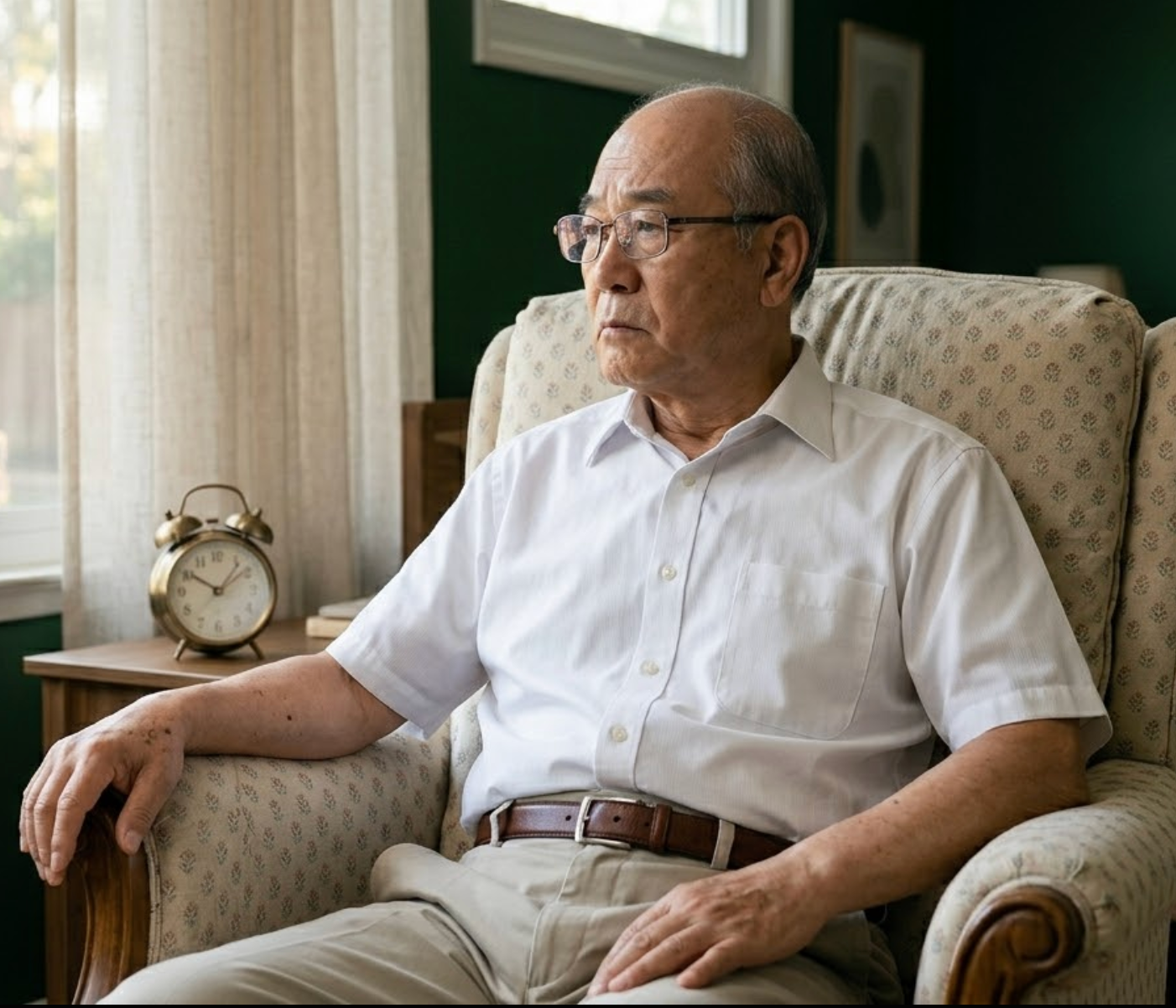
Understanding Depression in Korean American Seniors For many Korean American seniors, life has been defined by responsibility—caring for family, working hard, and adapting to life in a new country. Strength, endurance, and quiet perseverance have often been necessary. But sometimes, even after everything has been accomplished, there can be a quiet shift. You may notice that your energy is lower than before. Daily routines feel heavier. Things that once brought satisfaction no longer feel the same. Nothing dramatic may have happened. And yet, something feels different. These changes are often easy to dismiss. Many people assume, “This is just part of getting older.” But in some cases, it may be something more— depression . It Doesn’t Always Look Like Depression Depression in older adults does not always appear as sadness. Instead, it often shows up in ways that feel physical or subtle: A body that feels constantly tired Sleep that becomes irregular or restless Appetite changes without a clear reason A general sense of low energy that doesn’t improve with rest Medical tests may come back normal. Still, the feeling remains. This can be confusing—and frustrating. The Changes That Are Harder to Name Alongside physical symptoms, there may be quieter internal changes: Less interest in socializing or leaving the house Irritation over small things that didn’t used to matter A sense of disconnection from others Thoughts like, “I don’t want to be a burden,” or “I don’t feel useful anymore” These experiences are more common than many realize, but they are rarely talked about openly. Why It Often Goes Unnoticed Many Korean American seniors were raised in environments where emotional struggles were managed privately. There is often a strong belief in enduring hardship without complaint. Because of this, emotional changes may be: Minimized Reframed as physical problems Or simply carried alone This ability to endure has been a strength. But it can also make it harder to recognize when support could help. Life Changes That Add Up At this stage of life, multiple transitions can happen at once: Retirement and changes in daily structure Shifts in family roles Language or cultural barriers Less frequent social interaction Experiences of loss Individually, each may seem manageable. Together, they can quietly affect emotional well-being. So What Helps? There is no single solution—but there are starting points. Sometimes, it begins with something simple: Talking with someone you trust Spending a little more time outside or in routine activities Reconnecting, even in small ways, with others For some, it may also include speaking with a professional who can help make sense of these changes and offer practical ways to manage them. Support does not have to be immediate or overwhelming. It can begin gradually. A Different Way to Think About It If your energy, mood, or daily life has changed, it may be worth paying attention—not with alarm, but with curiosity. What you are feeling is not uncommon. And it is not something you have to ignore. A Quiet First Step If any part of this feels familiar, consider taking one small step. That might mean having a conversation—with a family member, a friend, or a professional. It might simply mean acknowledging to yourself that something has changed. There is no pressure to act quickly. But there is value in not overlooking what you are experiencing. 한인 시니어의 우울증 이해하기 많은 한인 시니어분들의 삶은 책임과 헌신으로 이루어져 왔습니다. 가족을 돌보고, 열심히 일하며, 새로운 나라에서의 삶에 적응해 오셨습니다. 강인함과 인내는 삶을 지탱해 온 중요한 힘이었을 것입니다. 하지만 어느 순간, 조용한 변화가 느껴질 수 있습니다. 예전보다 기운이 없고, 하루 일과가 더 버겁게 느껴지고, 한때 의미 있었던 일들이 예전 같지 않게 느껴질 수 있습니다. 특별한 일이 있었던 것은 아닐 수도 있습니다. 그런데도, 어딘가 달라진 느낌이 듭니다. 이러한 변화는 쉽게 지나치기 쉽습니다. 많은 분들이 “나이가 들어서 그런가 보다”라고 생각합니다. 하지만 경우에 따라, 이것은 단순한 변화가 아니라 우울증의 신호일 수 있습니다. 우울증은 항상 ‘우울한 감정’으로만 나타나지 않습니다 시니어에게 나타나는 우울증은 우리가 흔히 생각하는 모습과 다를 수 있습니다. 오히려 다음과 같은 신체적인 변화로 나타나는 경우가 많습니다: 이유 없이 계속되는 피로감 불규칙해진 수면 또는 깊이 잠들기 어려움 특별한 이유 없는 식욕 변화 쉬어도 회복되지 않는 무기력감 검사 결과에는 이상이 없다고 나와도 몸과 마음의 불편함은 계속될 수 있습니다. 이러한 상황은 혼란스럽고 답답하게 느껴질 수 있습니다. 말로 표현하기 어려운 변화들 신체적인 변화와 함께, 다음과 같은 마음의 변화가 나타날 수 있습니다: 사람들을 만나는 것이 점점 부담스러워짐 사소한 일에도 쉽게 짜증이 남 주변과의 거리감이 느껴짐 “내가 짐이 되는 건 아닐까” “이제 나는 예전 같지 않다”는 생각 이러한 경험은 생각보다 흔하지만, 자주 이야기되지는 않습니다. 왜 알아차리기 어려울까요? 많은 한인 시니어분들은 감정적인 어려움을 드러내기보다 스스로 감당하는 데 익숙하십니다. 그래서 이러한 변화는 종종: 대수롭지 않게 넘기거나 단순한 신체 문제로 생각되거나 혼자 감당해야 할 일로 여겨지기도 합니다 이러한 인내는 큰 강점이지만, 때로는 도움의 필요성을 늦게 알아차리게 만들기도 합니다. 삶의 변화들이 쌓일 때 이 시기에는 여러 변화가 동시에 일어날 수 있습니다: 은퇴로 인한 일상의 변화 가족 내 역할의 변화 언어와 문화 차이 줄어드는 사회적 교류 소중한 사람과의 이별 각각은 감당할 수 있는 변화처럼 보이지만, 이들이 함께 쌓이면서 마음에 영향을 줄 수 있습니다. 그렇다면, 무엇이 도움이 될까요? 정답은 하나가 아니지만, 작은 시작은 가능합니다. 예를 들어: 믿을 수 있는 사람과 이야기를 나누는 것 짧은 산책이나 규칙적인 일상 유지 다시 사람들과 조금씩 연결되는 시도 그리고 경우에 따라, 전문가와의 대화를 통해 현재의 상태를 이해하고 도움을 받는 것도 한 가지 방법이 될 수 있습니다. 도움은 반드시 크거나 부담스러울 필요는 없습니다. 작은 단계로 시작할 수 있습니다. 이렇게 생각해 볼 수도 있습니다 최근의 변화가 느껴진다면, 그것을 단순히 지나치기보다 조금 더 관심을 가져보는 것도 의미가 있습니다. 지금의 경험은 드문 일이 아니며, 그대로 두어야 하는 것도 아닙니다. 조용한 첫걸음 이 글의 내용 중 일부가 공감된다면, 아주 작은 한 걸음부터 시작해 보셔도 좋습니다. 가족이나 친구와의 대화일 수도 있고, 전문가와의 상담일 수도 있습니다. 또는 단순히 스스로의 변화를 인정하는 것일 수도 있습니다. 서두를 필요는 없습니다. 하지만 자신의 상태를 지나치지 않는 것에는 충분한 가치가 있습니다.

Understanding Neuroplasticity in Older Adults Many people quietly assume something about the brain as they grow older: “I’m too old to change.” “My brain doesn’t learn like it used to.” “This is just how I am now.” These beliefs are very common. But modern neuroscience tells a very different story. The brain, even in later life, still has the ability to adapt, learn, and reorganize itself . This ability is called neuroplasticity . And it means something important: The brain can continue to change throughout life. What Is Neuroplasticity? Neuroplasticity refers to the brain’s ability to form new neural connections and strengthen existing ones . Every time we: learn something new practice a skill experience strong emotions change habits reflect on our experiences the brain adjusts its internal wiring. For many years scientists believed that the brain stopped changing after childhood. Today, research shows that the brain continues to adapt well into older adulthood. Studies from organizations such as the National Institute on Aging demonstrate that older adults can continue to build new neural pathways when they engage in meaningful mental and social activities. Why This Matters for Seniors Understanding neuroplasticity can change how we think about aging. Many challenges that appear in later life are not simply about “decline.” They often relate to how the brain is being used . When people stop engaging in new activities or meaningful social interaction, the brain receives fewer signals to adapt. But when the brain is stimulated—through learning, movement, relationships, or curiosity—it continues to respond. In other words: The brain thrives when it stays engaged with life. The Brain Still Learns Through Experience Think about how people of all ages learn. A grandparent learning to use a smartphone. Someone starting a new hobby after retirement. A person practicing meditation or relaxation techniques for the first time. At first, it may feel unfamiliar or even frustrating. But over time, the brain begins forming new pathways. Tasks that once felt difficult become easier. This is neuroplasticity in action. The brain changes not because of age, but because of experience and repetition . Emotional Patterns Can Change Too Neuroplasticity doesn’t only apply to learning skills. It also applies to emotional patterns . People sometimes believe that if they have been anxious, worried, or stressed for many years, those feelings can never change. But emotional habits are also supported by neural pathways. With practice, new emotional responses can be learned. For example: learning ways to calm the nervous system practicing mindfulness developing healthier thought patterns building supportive relationships Over time, these experiences can strengthen new pathways in the brain. Gradually, the brain begins to respond differently. Small Changes That Support Brain Health The encouraging news is that supporting brain adaptability does not require dramatic changes. Often, small but consistent activities make the biggest difference. Some examples include: learning new skills or hobbies engaging in conversation and social connection physical movement such as walking practicing mindfulness or relaxation techniques reading, writing, or creative activities exploring unfamiliar environments or ideas Each new experience provides the brain with opportunities to form new connections. Curiosity Keeps the Brain Active One of the most powerful ingredients for neuroplasticity is curiosity . Curiosity signals to the brain that something new is worth paying attention to. People who continue asking questions, exploring ideas, and engaging with the world often maintain stronger cognitive flexibility. Age does not eliminate curiosity. In many cases, life experience deepens it. Aging and Possibility Aging brings many changes—physical, emotional, and social. But it also brings something valuable: perspective. The idea that the brain can continue to adapt reminds us that growth does not belong only to youth . New interests can emerge. New ways of coping can develop. New ways of understanding life can unfold. Neuroplasticity suggests something quietly powerful: The brain remains capable of change as long as we remain engaged with life. 뇌는 나이가 들어도 변할 수 있습니다 노년기에도 가능한 신경가소성 이해하기 많은 사람들이 나이가 들면서 이렇게 생각하곤 합니다. “난 이제 변하기엔 너무 늙었어.” “내 뇌는 예전처럼 배우지 못해.” “이제 난 그냥 이런 사람이야.” 이런 생각은 아주 흔하지만, 최신 신경과학은 전혀 다른 이야기를 전해줍니다. 뇌는 나이가 들어서도 여전히 배우고, 적응하며, 스스로 재조직할 수 있습니다. 이 능력을 **신경가소성(neuroplasticity)**이라고 부릅니다. 즉, 뇌는 평생 변화할 수 있습니다. 신경가소성이란 무엇일까요? 신경가소성은 뇌가 새로운 신경 연결을 만들고, 기존의 연결을 더 튼튼하게 만드는 능력입니다. 우리가 다음과 같은 일을 할 때마다, 뇌는 스스로 조정하며 변화를 만들어냅니다. 새로운 것을 배울 때 기술을 연습할 때 강한 감정을 경험할 때 습관을 바꿀 때 지난 경험을 되돌아볼 때 한때 과학자들은 뇌가 어린 시절 이후에는 변하지 않는다고 믿었습니다. 하지만 지금은, 노년기에도 뇌가 계속 적응할 수 있다는 연구 결과가 많습니다. 예를 들어, 미국 국립노화연구소(National Institute on Aging) 연구에 따르면, 노인도 의미 있는 정신적·사회적 활동에 참여하면 새로운 신경 경로를 만들 수 있습니다. 노년기에 신경가소성이 중요한 이유 신경가소성을 이해하면, 나이듦에 대한 시각 이 달라집니다. 노년에 나타나는 많은 어려움은 단순한 ‘쇠퇴’ 때문이 아닙니다. 대부분은 뇌가 얼마나 활발하게 사용되는지와 관련이 있습니다. 새로운 활동이나 의미 있는 사회적 교류를 멈추면, 뇌는 적응할 신호를 덜 받게 됩니다. 하지만 배우고, 움직이고, 관계를 맺고, 호기심을 발휘하면, 뇌는 계속 반응하고 성장합니다. 즉, 뇌는 삶과 계속 연결될 때 가장 활발하게 기능합니다. 뇌는 경험을 통해 계속 배웁니다 나이에 상관없이 우리는 늘 배우고 있습니다. 조부모가 스마트폰을 배우는 경우 은퇴 후 새로운 취미를 시작하는 경우 처음으로 명상이나 이완법을 연습하는 경우 처음에는 낯설고 어렵게 느껴질 수 있습니다. 하지만 반복하다 보면 뇌는 새로운 길을 만들어내고, 한때 어렵게 느껴졌던 일도 점점 쉬워집니다. 이것이 바로 신경가소성이 작용하는 모습 입니다. 나이가 아니라, 경험과 반복이 뇌를 변화시키는 열쇠입니다. 감정도 바뀔 수 있습니다 신경가소성은 기술 학습에만 해당하지 않습니다. 감정 패턴에도 적용됩니다. 오랫동안 불안하거나 걱정이 많았다고 해서 그 감정이 변하지 않는 것은 아닙니다. 감정 습관도 신경 경로를 따라 만들어집니다. 연습을 통해 새로운 감정 반응을 배울 수 있습니다. 예를 들어: 마음을 진정시키는 방법 배우기 마음챙김 연습 더 건강한 생각 습관 기르기 지지적인 관계 만들기 시간이 지나면, 뇌는 점차 다르게 반응합니다. 작은 변화가 뇌 건강을 지킵니다 다행히, 뇌의 적응력을 높이기 위해 극적인 변화가 필요하지는 않습니다. 작지만 꾸준한 활동이 오히려 큰 차이를 만듭니다. 새로운 기술이나 취미 배우기 대화와 사회적 교류 참여 걷기와 같은 신체 활동 마음챙김이나 이완법 연습 읽기, 글쓰기, 창작 활동 새로운 환경이나 아이디어 탐색 각 경험은 뇌가 새로운 연결을 만들 수 있는 기회를 제공합니다. 호기심이 뇌를 활발하게 합니다 신경가소성을 높이는 가장 강력한 요소 중 하나는 호기심 입니다. 호기심은 뇌에 “새로운 것이 주목할 가치가 있다”는 신호를 보냅니다. 계속 질문하고, 아이디어를 탐색하고, 세상과 교류하는 사람들은 인지적 유연성을 더 잘 유지하는 경향이 있습니다. 나이가 호기심을 없애지 않습니다. 많은 경우, 삶의 경험이 오히려 호기심을 깊게 만듭니다. 나이 들어도 가능성은 있습니다 노화는 신체적, 정서적, 사회적 변화를 가져옵니다. 하지만 동시에 값진 것 도 제공합니다: 삶의 관점입니다. 뇌가 계속 적응할 수 있다는 생각은 성장이 청소년기만의 특권이 아님을 알려줍니다. 새로운 관심사가 생길 수 있습니다. 새로운 대처 방법을 배울 수 있습니다. 삶을 이해하는 새로운 시각이 생길 수 있습니다. 신경가소성은 조용하지만 강력한 메시지를 전합니다. 삶과 계속 연결되어 있는 한, 뇌는 언제든 변화할 수 있습니다.

Navigating Role Transitions and Emotional Struggles in Later Life Life rarely changes all at once. More often, it shifts quietly. A job that once structured each day comes to an end. Children grow up and build lives of their own. Relationships evolve in ways we did not expect. Many older adults discover that one of the most challenging parts of aging is not simply getting older—it is adjusting to new roles in life and in relationships . These transitions can bring unexpected emotional struggles. And yet, they are a very natural part of the human experience. When Roles Begin to Change For much of life, many people carry clear roles. Provider. Parent. Partner. Caregiver. These roles shape daily routines and provide a sense of purpose. But over time, life circumstances shift. Retirement may change a person’s identity after decades of work. Children become independent and need parents in different ways. A spouse may experience health challenges that change the balance in a relationship. Sometimes roles even reverse. Adult children begin helping their parents. A partner becomes a caregiver for a spouse. These changes can feel unfamiliar and emotionally complex. The Emotional Side of Life Transitions When roles change, emotions often follow. Some people experience: a sense of loss uncertainty about purpose loneliness frustration or guilt difficulty adjusting to new expectations For example, retirement can bring relief and freedom, but it may also create a feeling of losing part of one’s identity . Similarly, when children become independent, parents may feel both pride and emptiness at the same time. These mixed emotions are normal. Human beings are deeply connected to the roles they play in the lives of others. Relationships Evolve Over Time Long-term relationships also go through transitions. After decades together, couples sometimes rediscover each other in new ways once work and parenting responsibilities change. Some couples grow closer. Others realize they need to learn new ways of communicating and supporting each other . Friendships may also shift. Social circles may become smaller as people move, retire, or face health changes. Adjusting to these shifts can take time. The Mind’s Natural Process of Adjustment Psychologists often describe life transitions as periods of psychological reorganization . During these times, the mind is working to answer new questions: Who am I now? What gives my life meaning today? How do I adapt to this new chapter? According to research from the American Psychological Association, major life transitions can temporarily increase stress, but they can also create opportunities for growth and self-reflection. The process may feel uncertain at first, but many people eventually discover new sources of purpose and connection . Talking About the Changes One challenge many people face during life transitions is talking about what they are feeling . Some were raised to believe they should simply “handle things on their own.” Others worry about burdening family members. But sharing thoughts and emotions with a trusted person can make these transitions easier to navigate. Whether through conversations with loved ones, community support, or professional counseling, talking about these experiences can help people: understand their emotions adjust to changing roles find new meaning in this stage of life Every Stage of Life Brings New Possibilities Life transitions can be uncomfortable because they ask us to let go of familiar identities. Yet they also open the door to something new. New routines. New relationships. New perspectives on what matters most. The later chapters of life are not simply about endings. They are also about redefining who we are and how we connect with others . And sometimes, having a place to talk openly about these changes can make that journey a little easier. 인생의 전환기와 관계 속 역할 변화, 그리고 그 안의 감정들 삶은 어느 날 갑자기 완전히 바뀌기보다는 대개 조용히, 조금씩 변해갑니다. 매일의 일상을 채우던 직장이 어느 순간 끝나고, 자녀들은 성장해 자신의 삶을 살아가기 시작합니다. 오랫동안 익숙했던 관계의 모습도 조금씩 달라집니다. 많은 노인 분들이 느끼는 어려움은 단순히 나이가 드는 것이 아니라, 삶 속에서 맡고 있던 역할이 바뀌는 것에 적응하는 과정 입니다. 이러한 변화는 때로 예상하지 못했던 감정적인 어려움을 가져오기도 합니다. 하지만 이것은 매우 자연스러운 인간의 경험 입니다. 삶의 역할이 바뀌기 시작할 때 인생의 많은 시간 동안 우리는 분명한 역할을 가지고 살아갑니다. 가족을 책임지는 사람 부모 배우자 돌보는 사람 이러한 역할들은 우리의 하루를 만들고 삶의 의미와 목적 을 느끼게 해줍니다. 하지만 시간이 지나면서 상황은 달라집니다. 수십 년 동안 이어지던 직장 생활이 은퇴로 끝나기도 하고, 자녀들은 독립하여 부모를 필요로 하는 방식이 달라집니다. 배우자의 건강이 변하면서 관계의 균형이 바뀌기도 합니다. 때로는 역할이 거꾸로 바뀌는 순간 도 있습니다. 자녀가 부모를 돕기 시작하고, 배우자가 서로를 돌보는 사람이 되기도 합니다. 이러한 변화는 낯설고 복잡한 감정을 가져올 수 있습니다. 인생의 전환기에서 나타나는 감정 역할이 바뀌면 자연스럽게 감정도 따라옵니다. 많은 사람들이 다음과 같은 감정을 경험합니다. 상실감 삶의 목적에 대한 혼란 외로움 답답함이나 죄책감 새로운 상황에 적응하는 어려움 예를 들어 은퇴는 자유와 여유를 주기도 하지만, 동시에 자신의 정체성 일부를 잃은 느낌 을 가져올 수도 있습니다. 자녀가 독립할 때도 마찬가지입니다. 부모로서의 자부심과 함께 어딘가 마음이 허전한 느낌 이 동시에 찾아올 수 있습니다. 이처럼 서로 다른 감정이 함께 존재하는 것은 아주 자연스러운 일입니다. 우리는 오랫동안 자신이 맡았던 역할을 통해 삶을 이해해 왔기 때문입니다. 관계도 함께 변화합니다 오랜 시간 함께한 관계도 시간이 흐르면서 자연스럽게 변합니다. 수십 년 동안 일과 육아에 집중했던 부부는 은퇴 후 서로를 다시 새롭게 알아가는 과정 을 경험하기도 합니다. 어떤 부부는 더 가까워지고, 어떤 부부는 서로를 이해하는 새로운 방법을 배워야 합니다. 친구 관계도 변할 수 있습니다. 사람들이 이사를 가거나 건강 문제로 만남이 줄어들면서 사회적 관계가 이전보다 작아질 수 있습니다. 이러한 변화에 적응하는 데는 시간이 필요합니다. 마음이 새로운 균형을 찾는 과정 심리학에서는 이러한 시기를 심리적 재정리의 과정 이라고 설명합니다. 이 시기에는 마음속에서 새로운 질문들이 떠오르기 시작합니다. 지금의 나는 어떤 사람인가? 이 시기의 삶에서 무엇이 가장 의미 있는가? 이 새로운 변화에 나는 어떻게 적응해야 할까? American Psychological Association 의 연구에 따르면 큰 삶의 변화는 일시적으로 스트레스를 증가시킬 수 있지만 동시에 자기 이해와 성장의 기회 가 되기도 합니다. 처음에는 낯설게 느껴질 수 있지만 시간이 지나면서 많은 사람들이 새로운 의미와 방향 을 발견하게 됩니다. 변화에 대해 이야기하는 것 인생의 전환기를 겪을 때 많은 사람들이 느끼는 어려움 중 하나는 자신의 감정을 이야기하는 것 입니다. 어떤 분들은 평생 “혼자 견뎌야 한다.” “가족에게 부담을 주면 안 된다.” 이렇게 배워왔을 수도 있습니다. 하지만 믿을 수 있는 누군가와 마음을 나누는 것은 이러한 변화의 시기를 훨씬 더 편안하게 지나가도록 도와줄 수 있습니다. 가족과의 대화, 친구와의 이야기, 또는 전문적인 상담을 통해 사람들은 다음과 같은 도움을 받을 수 있습니다. 자신의 감정을 이해하기 변화하는 역할에 적응하기 새로운 삶의 의미를 찾기 삶의 새로운 장 삶의 전환기는 익숙했던 역할을 내려놓게 만들기 때문에 때로는 불안하게 느껴질 수 있습니다. 하지만 동시에 그것은 새로운 가능성이 시작되는 시기 이기도 합니다. 새로운 일상 새로운 관계 그리고 무엇이 정말 중요한지에 대한 새로운 시선 인생의 후반부는 단순히 끝을 향해 가는 시간이 아니라 자신을 다시 정의하고 삶을 새롭게 바라보는 시간 이 될 수 있습니다. 그리고 그 과정에서 누군가와 조용히 이야기를 나눌 수 있는 공간이 있다면 그 여정은 조금 더 가벼워질 수 있습니다.

Why Your Body Sounds the Alarm When There Is No Fire For many people, the first panic attack is unforgettable. It often begins suddenly. Your heart starts racing. Your chest feels tight. Your breathing changes. You may feel dizzy, shaky, or strangely disconnected from your surroundings. Some people think: “Something is seriously wrong.” “Am I having a heart attack?” Others feel a different fear: “What is happening to me?” But here is something that surprises many people: A panic attack is not a sign that your body is failing. It is a sign that your body is trying—very intensely—to protect you. The Body’s Alarm System The human body has an extraordinary safety system. When the brain senses danger, it activates the fight-or-flight response . Your nervous system releases stress hormones that prepare the body to act quickly. Your heart pumps faster. Your breathing speeds up. Your muscles tense. This response helped our ancestors survive real threats. But sometimes the alarm system becomes too sensitive . Imagine a smoke alarm that goes off every time someone makes toast. The alarm is working exactly as designed—it’s just responding to something that isn’t actually dangerous. A panic attack is similar. The alarm is loud and overwhelming, but there is no fire . Why Panic Feels So Convincing One reason panic attacks are so frightening is that the body sensations are extremely powerful. When your heart races and breathing changes suddenly, your brain naturally searches for an explanation. The mind often jumps to the worst conclusion: “This must be dangerous.” Ironically, this interpretation can make the panic stronger. The brain sees your fear as confirmation that something is wrong , which keeps the alarm system activated. This is why many people develop a second fear: the fear of the panic itself. Panic Is More Common Than People Realize Many people who experience panic believe they are the only ones going through it. But panic attacks are actually very common . According to research from the National Institute of Mental Health, millions of adults experience panic attacks each year. Many people never talk about them openly. Some are embarrassed. Others assume it means something is wrong with them. But panic is not a character flaw. It is a very human nervous system response . The Nervous System Is Trying to Feel Safe At its core, panic is about safety . Your nervous system constantly asks one basic question: “Am I safe right now?” If the answer feels uncertain—even for subtle reasons—the body may activate the alarm system. Stress, lack of sleep, life transitions, illness, or long periods of tension can make the nervous system more sensitive. The body isn’t trying to harm you. It is trying to protect you—just a little too enthusiastically. An Unexpected Shift That Helps Many people try to fight panic. They tell themselves: “This needs to stop right now.” But the nervous system often responds better to a different approach. Instead of fighting the sensations, some people learn to allow them to pass through the body without resistance . When the brain realizes that the sensations are not dangerous, the alarm system gradually quiets down. This is one reason therapies like mindfulness-based treatments, somatic approaches, and exposure-based therapies can be so effective. They teach the brain a powerful lesson: These sensations may be uncomfortable, but they are not harmful. What Helps the Body Settle There is no single technique that works for everyone, but many people find relief through practices that calm the nervous system. For example: • slowing the breath, especially the exhale • gently relaxing tense muscles • grounding attention in physical sensations • allowing anxious sensations without immediately reacting to them • moving the body through walking or stretching These small shifts send the nervous system an important signal: “It’s safe to settle down.” The Nervous System Can Learn Perhaps the most hopeful thing about panic attacks is this: The nervous system is adaptable. Just as it learned to react quickly, it can also learn to relax more easily. With understanding, patience, and sometimes professional support, many people experience fewer and less intense panic episodes over time. The alarm system becomes quieter. And the body remembers something it always knew how to do: return to calm. 불이 나지 않았는데도 몸의 경보기가 울리는 이유 많은 사람들에게 첫 공황발작 은 잊기 어려운 경험입니다. 갑자기 시작됩니다. 심장이 빠르게 뛰기 시작하고 가슴이 답답해지고 호흡이 달라집니다. 어지럽거나 몸이 떨리기도 하고, 주변이 낯설게 느껴지기도 합니다. 그 순간 많은 사람들이 이렇게 생각합니다. “혹시 심장마비인가?” “몸에 큰 문제가 생긴 걸까?” 또 어떤 사람들은 이렇게 느낍니다. “나에게 무슨 일이 일어나고 있는 거지?” 하지만 많은 사람들이 놀라는 사실이 있습니다. 공황발작은 몸이 망가졌다는 신호가 아니라 몸이 매우 강하게 당신을 보호하려고 하고 있다는 신호입니다. 우리 몸의 경보 시스템 인간의 몸에는 놀라울 정도로 정교한 안전 시스템 이 있습니다. 뇌가 위험을 감지하면 투쟁-도피 반응(fight-or-flight response) 이 활성화됩니다. 그러면 신경계가 스트레스 호르몬을 분비해 몸이 빠르게 반응할 수 있도록 준비합니다. 심장은 더 빨리 뛰고 호흡은 빨라지며 근육은 긴장합니다. 이 반응은 실제 위험 상황에서 우리를 보호하기 위해 존재합니다. 하지만 때때로 이 경보 시스템이 지나치게 민감해질 수 있습니다. 예를 들어, 토스트를 구울 때마다 울리는 연기 감지기 를 상상해 보세요. 경보기 자체는 제대로 작동하고 있습니다. 다만 실제로 불이 나지 않았는데도 반응하는 것입니다. 공황발작도 이와 비슷합니다. 경보는 매우 크고 무섭게 느껴지지만 실제로 불이 난 것은 아닙니다. 공황이 너무 실제처럼 느껴지는 이유 공황발작이 특히 무서운 이유는 몸에서 느껴지는 감각이 매우 강하기 때문 입니다. 심장이 갑자기 빨리 뛰고 호흡이 바뀌면 뇌는 자연스럽게 이유를 찾으려고 합니다. 그리고 많은 경우 이렇게 해석합니다. “이건 위험한 신호일 거야.” 아이러니하게도 이 생각이 공황을 더 강하게 만들 수 있습니다. 뇌는 당신의 두려움을 보고 “정말 위험한 상황인가 보다”라고 판단하며 경보 시스템을 계속 켜 두게 됩니다. 그래서 많은 사람들이 두 번째 두려움을 경험하게 됩니다. 공황 자체에 대한 두려움입니다. 공황발작은 생각보다 흔합니다 공황발작을 경험하는 많은 사람들은 “나만 이런 일을 겪는 것 같다”고 생각합니다. 하지만 실제로는 매우 흔한 경험 입니다. National Institute of Mental Health 의 연구에 따르면 매년 수백만 명의 사람들이 공황발작을 경험합니다. 다만 많은 사람들이 이것을 겉으로 이야기하지 않을 뿐입니다. 어떤 사람들은 창피하게 느끼고 어떤 사람들은 자신에게 문제가 있다고 생각합니다. 하지만 공황은 성격의 약함이 아닙니다. 그저 인간의 신경계가 나타낼 수 있는 자연스러운 반응 중 하나 일 뿐입니다. 신경계는 “안전한지”를 확인하려 합니다 공황의 중심에는 안전감 이 있습니다. 우리의 신경계는 끊임없이 한 가지 질문을 합니다. “지금 나는 안전한가?” 만약 그 답이 불확실하게 느껴지면 아주 작은 신호에도 몸이 경보를 울릴 수 있습니다. 스트레스 수면 부족 큰 삶의 변화 오랜 긴장 상태 이런 것들이 쌓이면 신경계는 더 예민해질 수 있습니다. 몸이 당신을 괴롭히려는 것이 아닙니다. 당신을 보호하려는 시스템이 조금 과하게 작동하고 있을 뿐입니다. 공황을 다루는 데 도움이 되는 예상 밖의 접근 많은 사람들은 공황이 시작되면 그것을 억지로 멈추려고 합니다. “지금 당장 멈춰야 해.” 하지만 신경계는 종종 다른 방식에 더 잘 반응합니다. 공황을 억지로 밀어내기보다 몸에서 일어나는 감각을 그대로 지나가도록 허용하는 것 입니다. 뇌가 “이 감각이 위험하지 않다”는 것을 배우면 경보 시스템은 점점 조용해집니다. 그래서 마인드풀니스 기반 치료, 신체 중심 치료, 노출 치료 같은 접근들이 효과적일 수 있습니다. 이 방법들은 뇌에게 중요한 메시지를 가르칩니다. “이 감각은 불편할 수는 있지만 위험하지는 않다.” 몸이 진정되도록 돕는 작은 방법들 모든 사람에게 같은 방법이 맞는 것은 아니지만 많은 사람들이 다음과 같은 방법에서 도움을 느낍니다. 예를 들어 • 호흡을 천천히, 특히 내쉬는 숨을 길게 하기 • 긴장된 근육을 부드럽게 풀어주기 • 발바닥이나 몸의 감각에 주의를 두기 • 불안한 감각을 바로 없애려고 하지 않고 잠시 지켜보기 • 가볍게 걷거나 몸을 움직이기 이러한 작은 행동들은 신경계에 중요한 신호를 보냅니다. “이제 조금 진정해도 괜찮아.” 신경계는 다시 배울 수 있습니다 공황발작에 대해 가장 희망적인 사실이 있습니다. 신경계는 변화할 수 있습니다. 빠르게 반응하는 법을 배운 것처럼 다시 차분해지는 법도 배울 수 있습니다. 이 과정을 이해하고 시간과 연습을 거치고 필요하다면 전문가의 도움을 받는다면 많은 사람들은 공황발작의 빈도와 강도가 점점 줄어드는 것을 경험합니다. 몸의 경보 시스템은 점점 조용해지고 몸은 원래 알고 있던 것을 다시 기억하게 됩니다. 평온으로 돌아가는 방법을요.
