

What If It’s Something Serious? |혹시 큰 병은 아닐까…
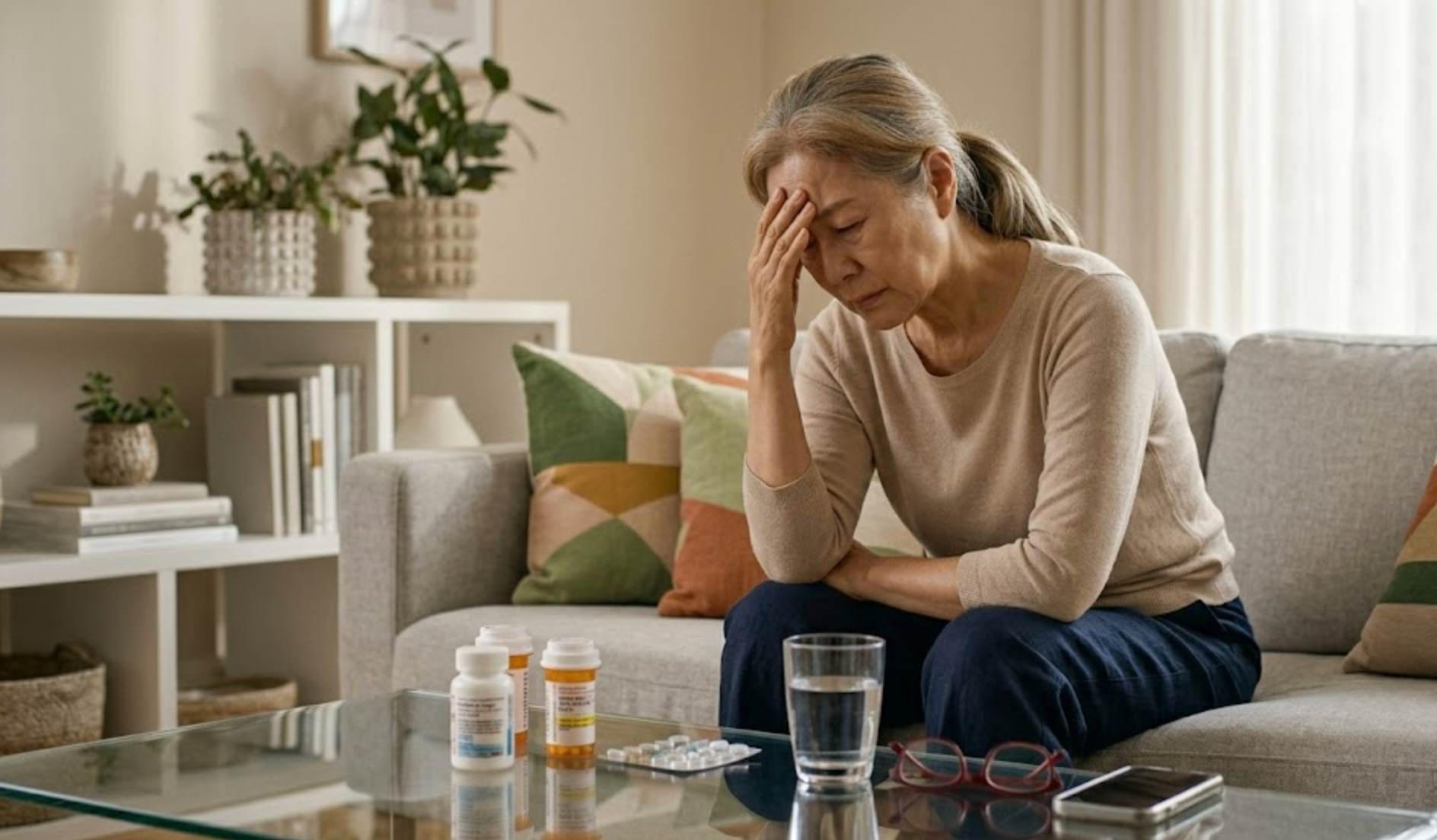
When Health Worry Starts Taking Over in Older Adults
As we get older, the body simply doesn’t feel the same. You get tired more easily. A joint aches for no clear reason. Recovery takes longer than it used to. That part is expected. But sometimes something shifts. A small symptom doesn’t just pass — it lingers in your mind.
“Should I get this checked?”
“What if I’m missing something?”
“Maybe I shouldn’t ignore it.”
And the thought keeps coming back.
If that pattern feels familiar, it may be more than just being careful. It may be health anxiety.
Why Health Worries Often Increase With Age
There are understandable reasons for this.
As we age:
- We see more friends develop illnesses
- Medical appointments become more frequent
- The body feels less predictable
- Recovery is slower
- Mortality feels more real
Even normal sensations can start to feel uncertain. According to the National Institute on Aging, anxiety in older adults often shows up through physical concerns rather than openly expressed emotional distress. In other words, the worry focuses on the body.
When Reassurance Doesn’t Last
It usually follows a pattern:
A new sensation appears.
You schedule an appointment.
The doctor says everything looks normal.
You feel relieved. For a while.
Then another symptom appears.
And the cycle begins again.
The issue isn’t a lack of medical care.
It’s the difficulty tolerating uncertainty.
The Difference Between Being Careful and Being Consumed
Taking care of your health is wise.
But health anxiety begins to cross a line when:
- Normal test results don’t ease your mind
- You spend a large part of the day thinking about symptoms
- You frequently search online for worst-case explanations
- You avoid activities “just in case”
- Sleep is interrupted by health worries
What starts as caution slowly becomes mental exhaustion.
What’s Often Underneath the Fear
For many older adults, the fear isn’t only about illness.
It’s about:
Losing independence.
Becoming dependent on others.
Being a burden to family.
Not having control over what happens next.
Sometimes health anxiety grows after real medical events — a surgery, a hospitalization, or watching a friend become seriously ill.
The mind tries to stay one step ahead.
But constant vigilance is tiring.
How Anxiety Can Affect the Body
Ongoing stress can cause:
- Muscle tension
- Digestive discomfort
- Increased heart rate
- Sleep disruption
- Fatigue
These physical effects can reinforce the worry.
“If I feel this way, something must be wrong.”
And the cycle continues.
Health Anxiety Is Treatable — At Any Age
Many people assume anxiety is just something they have to live with.
But it doesn’t have to be.
The Anxiety & Depression Association of America notes that Cognitive Behavioral Therapy (CBT) is one of the most effective treatments for anxiety disorders across the lifespan, including older adults. Treatment isn’t about dismissing symptoms. It’s about helping the nervous system calm down — so not every sensation feels like an emergency.
A Gentle Question to Consider
Instead of asking:
“What if something is wrong?”
You might ask:
“What feels so unsafe right now?”
Sometimes the fear is less about the symptom itself and more about what it represents. The body changes with age. That’s natural. But living in constant alarm doesn’t have to be. It’s possible to take your health seriously without letting fear run your life. And it’s possible, even later in life, to feel more at ease inside your own body again.
나이가 들수록 커지는 건강 걱정, 단순한 염려일까요?
나이가 들면 몸이 예전 같지 않다는 걸 느끼게 됩니다. 조금만 무리해도 피곤하고 여기저기 쑤시고 전에는 신경 쓰지 않던 작은 증상들이 눈에 들어옵니다. 그런데 어느 순간부터는 그 작은 변화 하나하나가 크게 느껴집니다.
“이거 혹시 심장 문제 아닐까?”
“검사 다시 받아봐야 하는 거 아닐까?”
“괜히 그냥 넘기면 큰일 나는 건 아닐까…”
이런 생각이 자주, 오래, 반복된다면 단순한 건강 염려를 넘어선 **건강 불안(건강염려증)**일 수 있습니다.
왜 나이가 들수록 건강 걱정이 커질까요?
사실 이유는 충분히 이해할 수 있습니다.
- 주변에서 아픈 사람이 늘어나고
- 병원 갈 일이 많아지고
- 회복이 예전만큼 빠르지 않고
- 몸이 더 이상 “익숙한 존재”가 아니게 됩니다
몸이 조금만 달라져도 “이게 시작인가?” 하는 생각이 스칩니다. National Institute on Aging에 따르면 노인의 불안은 종종 감정으로 표현되기보다 신체 증상에 대한 걱정으로 나타나는 경우가 많습니다. 마음속 불안이 몸에 대한 집착으로 바뀌는 것이죠.
이런 모습이 반복된다면
건강에 관심을 갖는 것은 중요합니다. 하지만 다음과 같은 모습이 계속된다면 건강 불안일 가능성을 생각해볼 수 있습니다.
- 검사에서 이상이 없다고 해도 안심이 오래 가지 않음
- 새로운 증상이 생길 때마다 최악을 먼저 떠올림
- 하루 대부분을 몸 상태 생각에 씀
- 인터넷 검색을 멈추기 어려움
- “혹시 모르니까”라는 이유로 활동을 줄임
처음에는 조심성처럼 보이지만 점점 일상이 좁아집니다.
사실은 병보다 더 무서운 것
많은 경우, 건강 불안의 중심에는 단순한 질병 공포보다 더 깊은 감정이 있습니다.
혼자 거동하지 못하게 될까 봐.
자녀에게 부담이 될까 봐.
내 삶의 통제권을 잃을까 봐.
몸이 아픈 것보다 의존하게 되는 것이 더 두려운 분들도 많습니다. 그래서 뇌는 계속 신호를 찾습니다. 혹시 놓치는 게 없는지, 더 큰 일이 오기 전에 대비해야 하는 건 아닌지. 하지만 그렇게 긴장을 늦추지 못하는 상태가 오히려 몸과 마음을 더 지치게 만듭니다.
불안이 몸을 더 예민하게 만들 때
지속적인 불안은 실제로
- 수면을 방해하고
- 근육을 긴장시키고
- 위장을 예민하게 만들고
- 심박수를 높일 수 있습니다
그러면 다시 이런 생각이 듭니다.
“봐, 뭔가 이상하잖아.”
이렇게 해서 불안은 점점 더 단단해집니다.
건강 걱정과 건강 불안의 차이
건강한 관심은 필요한 검진을 받고, 결과를 받아들이며 일상으로 돌아갈 수 있습니다. 하지만 건강 불안은 안심을 들어도 다시 걱정으로 돌아갑니다. 걱정이 삶의 중심이 되어 일상의 즐거움을 빼앗아 간다면 그때는 몸이 아니라 마음을 돌볼 시점일 수 있습니다.
치료가 가능하다는 사실
많은 분들이 “이 나이에 무슨 상담이냐”고 말씀하십니다. 하지만 불안은 나이와 상관없이 조절할 수 있습니다. Anxiety & Depression Association of America는 인지행동치료 (CBT)가 노인을 포함한 다양한 연령대에서 불안장애 치료에 효과적이라고 설명합니다. 치료는 “걱정하지 마세요”라고 말하는 과정이 아닙니다. 과도하게 울리는 경보 시스템을 조금 낮추는 과정입니다.
조금 다른 질문
“왜 이렇게 걱정이 많아졌을까?” 대신 이 질문을 해보는 건 어떨까요. “나는 무엇이 그렇게 두려운 걸까?” 그 답은 질병 그 자체가 아닐 수도 있습니다. 몸은 변해도 평온까지 함께 잃어야 하는 것은 아닙니다. 건강을 지키는 것과 건강에 매여 사는 것은 다릅니다. 노년에도 몸 안에서 편안하게 사는 법을 다시 배울 수 있습니다.
