

Grief and Loss | 상실과 애도
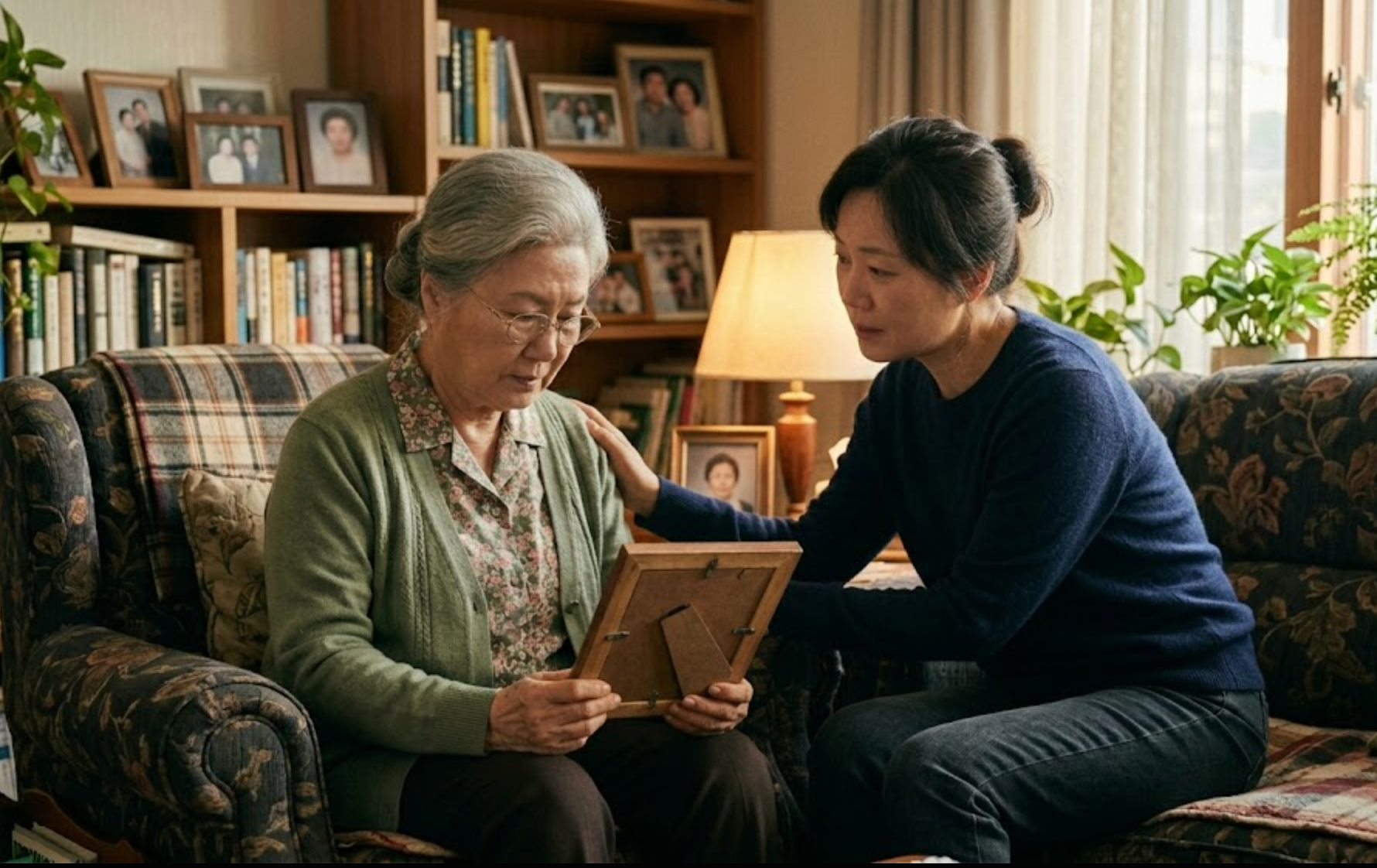
A Process of Finding Meaning in What Remains
Loss does not stop life,
but it changes the way life is experienced.
Time continues to move forward,
days repeat themselves,
and on the surface, daily life may appear largely unchanged.
Yet within that continuity,
what is felt internally can be different.
Life after loss is less about something that has “ended,”
and more about learning how it continues in a new way.
Grief Is Not a Stage, but an Ongoing Process
Grief is often understood as a series of stages that must be completed.
However, contemporary research and clinical perspectives approach grief in a more flexible and individualized way.
In his book Finding Meaning, grief expert David Kessler describes grief not as something to resolve and move past,
but as a process of learning to live alongside loss while gradually discovering meaning within it.
This perspective does not attempt to justify or explain the loss.
The loss remains real, and the pain remains valid.
Instead, it acknowledges that life continues,
and that something within that continuation gradually begins to shift.
Relationships Do Not End — They Change Form
After losing someone important,
the relationship does not simply disappear.
Rather, it continues in a different form.
You may find yourself thinking about how that person would respond in certain situations,
or recalling their voice, habits, or perspectives in everyday moments.
These experiences are often described as a continuing bond,
which reflects how relationships can persist through memory, identity, and internal experience.
This is not about remaining in the past.
It is about how the relationship continues to exist within your life in a different way.
Meaning Emerges Rather Than Being Forced
The idea of “finding meaning” can sometimes feel uncomfortable,
as if one must actively assign purpose to something painful.
For many individuals, especially in the early stages of grief,
this can feel overwhelming or out of reach.
Meaning is not something that can be forced or manufactured.
Instead, it tends to emerge gradually through lived experience.
For example:
- Shifts in what feels important in life
- Changes in how relationships are perceived
- Moments when small aspects of daily life take on new significance
These changes do not replace the loss,
but they reflect how life begins to reorganize around it.
Meaning, in this sense, is not something added on top of loss,
but something that develops within and around it over time.
Grief Does Not Follow a Linear Path
Grief does not unfold in a straight or predictable way.
Some days may feel relatively stable,
while on other days, emotions may feel more intense or present again.
Feelings such as sadness, longing, gratitude, and confusion
can coexist within the same moment.
This variability is not a sign of something going wrong.
Rather, it reflects that grief is a dynamic and living process.
While the intensity and form of grief may change over time,
its progression is unique to each individual.
Times When Meaning Is Not Yet Clear
There are periods when meaning does not feel accessible at all.
When the loss feels especially heavy,
or when emotional capacity is limited,
it may be difficult to reflect on meaning or significance.
These moments are also part of the grieving process.
Meaning is not always immediately recognizable.
It may become clearer only when there is enough emotional space to perceive it.
The absence of meaning in a given moment does not indicate that the process is incomplete.
It simply reflects where one is within that process.
Grief Does Not Have to Be Experienced Alone
Although grief is deeply personal,
it does not need to be carried in isolation.
Sharing memories, expressing emotions, or speaking with someone who can listen
may help organize and process the experience.
Support does not eliminate grief.
Rather, it can provide a space where grief can be held more safely and steadily.
Living After Loss
The goal of grief is not to return to life as it was before the loss.
Instead, it involves learning how to continue living while integrating the reality of that loss.
This does not mean forgetting or suppressing the past.
Nor does it mean removing emotional connection.
Rather, it is about carrying both:
- What has been lost
- And what continues in the present
Relationships persist through memory and meaning,
and life continues within that ongoing connection.
A Quiet Question
If you take a moment to reflect, you might consider:
In what ways does this relationship continue to exist within your life today?
There is no single correct answer to this question.
It is simply an opportunity to observe your experience with greater awareness and gentleness.
Closing Reflection
Loss does not stop life,
but it does change its texture and direction.
Within that change, individuals learn to remember differently,
to relate differently,
and to live differently.
Meaning is not a replacement for loss,
but something that may gradually emerge as part of life after loss.
This process unfolds differently for each person,
at their own pace, and in their own way.
A Note on Support
If grief feels overwhelming or difficult to process alone,
seeking support from a professional can be a helpful step.
JONA Social Services provides a space where individuals can approach grief with understanding, care, and respect for their unique experience.
Reaching out for support is not a sign of weakness,
but a meaningful way of caring for oneself during a challenging time.
의미를 찾아가는 과정 속에서
상실은 삶의 흐름을 멈추게 하지는 않지만,
그 흐름의 감각을 바꾸어 놓습니다.
시간은 여전히 흘러가고,
하루는 반복되며,
겉으로 보이는 일상은 크게 달라지지 않은 것처럼 느껴질 수 있습니다.
하지만 그 안에서 경험되는 감정과 의미는
이전과 같지 않을 수 있습니다.
상실 이후의 삶은 “끝났다”기보다
어떤 방식으로 이어지고 있는지에 대해 다시 이해해 가는 과정에 가깝습니다.
애도는 단계가 아니라, 이어지는 과정입니다
애도는 특정한 단계들을 거쳐 반드시 끝나는 과정으로 이해되기도 합니다.
하지만 최근의 연구와 임상적 관점에서는
애도를 보다 유연하고 개인적인 경험으로 바라봅니다.
David Kessler는 그의 저서 Finding Meaning에서
애도를 단순히 감정을 정리하고 지나가는 과정이 아니라,
상실과 함께 살아가며 그 안에서 의미를 발견해 가는 과정으로 설명합니다.
이 관점은 상실을 긍정하거나 이유를 부여하려는 것이 아니라,
상실 이후에도 삶이 계속 이어지는 방식에 주목합니다.
관계는 사라지지 않고, 다른 형태로 이어집니다
누군가를 떠나보낸 이후에도
그 관계가 완전히 끊어지는 것은 아닙니다.
다만 그 관계는 형태를 바꾸어 지속됩니다.
어떤 선택을 할 때
그 사람이 떠오르기도 하고,
익숙한 상황에서
그 사람의 말이나 태도를 기억하게 되기도 합니다.
이러한 경험은 흔히
“지속되는 유대(continuing bond)”로 설명되며,
상실 이후에도 관계가 기억과 내면의 경험을 통해 이어질 수 있음을 보여줍니다.
이것은 과거에 머무는 것이 아니라,
관계가 삶 안에서 다른 방식으로 존재하는 모습이라고 볼 수 있습니다.
의미는 만들어내는 것이 아니라, 변화 속에서 드러납니다
상실 이후 “의미를 찾는다”는 말은
때로는 부담스럽게 느껴질 수 있습니다.
특히 상실이 아직 깊게 남아 있는 시기에는
의미를 생각하는 것 자체가 어려울 수 있습니다.
의미는 의도적으로 만들어내야 하는 목표라기보다,
시간이 흐르면서 경험 속에서 서서히 드러나는 요소에 가깝습니다.
예를 들어,
- 어떤 가치가 이전보다 더 중요하게 느껴지는 변화
- 관계를 바라보는 시선이 조금씩 달라지는 경험
- 일상 속에서 작지만 새로운 의미를 발견하는 순간
이러한 변화들은 상실을 설명하지는 않지만,
그 이후의 삶이 어떻게 이어지는지를 보여줍니다.
의미는 상실을 대체하는 것이 아니라,
그 주변에서 형성되는 경험이라고 볼 수 있습니다.
애도는 일정한 방향을 따르지 않습니다
애도 과정은 직선적으로 진행되지 않습니다.
어떤 날은 비교적 안정적으로 느껴질 수 있고,
또 어떤 날은 감정이 다시 선명하게 떠오를 수 있습니다.
슬픔, 그리움, 감사, 혼란과 같은 감정들이
한 시점 안에서 함께 존재하기도 합니다.
이러한 변화는 비정상적인 것이 아니라,
애도가 고정된 상태가 아니라 살아 있는 과정임을 보여줍니다.
시간이 지나면서 감정의 강도나 형태는 변할 수 있지만,
그 과정은 개인마다 다르게 나타납니다.
의미가 분명하지 않은 시기도 자연스러운 과정입니다
모든 시기에 의미가 분명하게 느껴지는 것은 아닙니다.
상실이 크게 느껴지거나
감정적으로 여유가 부족한 시기에는
의미를 돌아보는 것이 어렵게 느껴질 수 있습니다.
이러한 시기 또한 애도의 과정 안에 포함됩니다.
의미는 항상 즉각적으로 인식되는 것이 아니라,
마음이 준비되는 흐름 속에서 서서히 이해되기도 합니다.
따라서 의미가 보이지 않는 시기가 있다고 해서
과정이 멈추었거나 잘 이루어지지 않는 것은 아닙니다.
애도는 혼자만의 여정일 필요는 없습니다
상실은 개인적인 경험이지만,
그 과정을 반드시 혼자 감당해야 하는 것은 아닙니다.
감정을 표현하거나,
기억을 나누거나,
누군가와 대화를 나누는 경험은
마음을 정리하는 데 도움이 될 수 있습니다.
이러한 지지는 애도를 없애는 것이 아니라,
그 감정을 다루는 과정이 보다 안정적으로 이루어질 수 있도록 돕는 역할을 합니다.
상실 이후의 삶을 살아간다는 것
상실 이전의 상태로 돌아가는 것이
애도의 목표는 아닙니다.
대신, 상실과 함께 살아가면서
삶을 이어가는 새로운 방식을 형성해 가는 과정에 가깝습니다.
과거를 지우는 것이 아니라,
기억과 경험을 포함한 상태로 현재를 살아가는 것.
그 과정에서 관계는 기억과 의미의 형태로 이어지고,
삶은 그 안에서 계속 확장되어 갑니다.
조용한 질문 하나
잠시 시간을 내어 다음과 같은 질문을 떠올려 볼 수 있습니다.
그 관계는 지금의 삶 속에서 어떤 형태로 남아 있을까?
이 질문에는 정해진 답이 없습니다.
다만, 그 질문을 통해 자신의 경험을 천천히 바라보는 시간이 될 수 있습니다.
마무리하며
상실은 삶을 멈추게 하지 않지만,
삶의 감각과 방향을 변화시킵니다.
그 변화 속에서 우리는
다른 방식으로 기억하고,
다른 방식으로 관계를 이어가며,
다른 방식으로 살아가게 됩니다.
의미는 상실을 대신하는 것이 아니라,
상실 이후의 삶 속에서 자연스럽게 드러날 수 있는 하나의 과정입니다.
그리고 그 과정은
각자의 속도와 방식에 따라 다르게 이어집니다.
마무리 안내
상실로 인해 감정이 어렵게 느껴지거나,
그 과정을 혼자 정리하기 힘들다고 느껴질 때는
전문가의 도움을 통해 이야기를 나누는 것도 하나의 방법이 될 수 있습니다.
JONA Social Services/ 정신건강 서비스는
각 개인의 경험과 속도를 존중하며,
상실과 애도의 과정을 이해하고 함께 다루어갈 수 있도록 지원하는 공간입니다.
도움을 요청하는 것은 약함이 아니라,
자신의 삶을 돌보는 한 가지 선택입니다.
